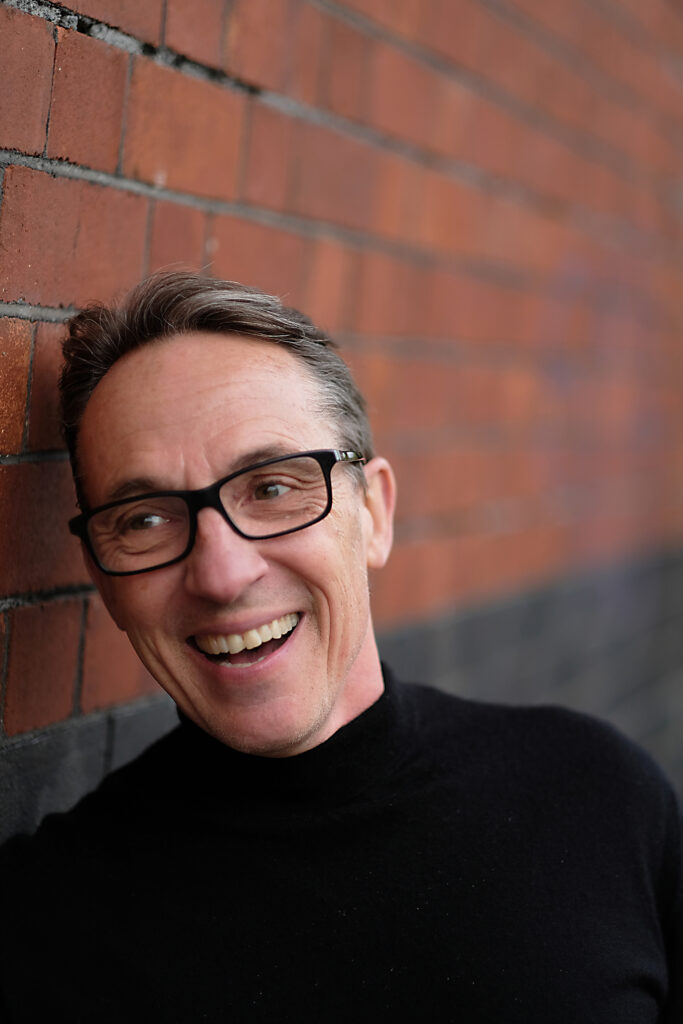
Abdallah Jamal Al-Khatib, born in Damascus in 1989, began his academic studies in Sociology at the University of Damascus. He is currently continuing his studies in Social Work in Germany, where he lives and works as a writer, social researcher, and filmmaker. In 2014, he was selected by the German magazine Greenpeace as “Peace Maker of the Year”, and in 2016 he received the Swedish Human Rights Award. In 2021, he directed his first feature documentary, Little Palestine — Diary of a Siege, which received several awards and critical acclaim at international film festivals. In 2023, he completed his first short film, Sokrania 59. In 2026, he completed his first narrative feature film Chronicles from the Siege, which won the GWFF Best First Feature Award at the Berlin International Film Festival and has been screened at numerous festivals since.

Athina Rachel Tsangari’s genre-bending films (The Slow Business of Going, Attenberg, Chevalier, The Capsule, Harvest) explore power and desire in gender, class and alterity. Founder of Haos Film production collective (Athens-Los Angeles). Producer/ co-producer on Yorgos Lanthimos’ Kinetta, Alps, Dogtooth; Georgis Grigorakis’ Digger; Richard Linklater’s Before Midnight. Video director of Athens 2004 Olympics opening ceremony. Concept creator & director of Reflections, the Acropolis Museum inauguration large-scale projections. Episodic series director (Trigonometry @ BBC2/ HBO, Upload @Amazon Prime, Borgia @Canal+/Sky/ZDF). Theater director of Wedekind’s Lulu for the Salzburg Summer Festival. Cinematexas Festival founder & artistic director, Austin, TX (1998–2008). Artistic director of Oxbelly Screenwriting & Directing Labs (2016–2023). Directing mentor at the Torino Film Lab, presently. Film retrospectives (2025–2026) at Diagonale, Wroclaw New Horizons, Reykjavik FF, ACME Melbourne, Acropolis Cinema & American Cinematheque in LA. She has taught cinema at Le Fresnoy, Bela Tarr’s Film Fabrica, at the California Arts Institute and currently at Harvard’s AFVS.

Ava Berkofsky, (they/she), is an awarding-winning cinematographer and filmmaker, lensing films, television, documentaries and commercials. They hold a BFA in photography from the School of Visual Arts in NYC, and an MFA in cinematography from the American Film Institute in Los Angeles. Berkofsky worked on 18 episodes of the HBO hit show Insecure, created by Issa Rae and Larry Wilmore, for which earned them three Emmy Award nominations and one nomination by the American Society of Cinematographers for Outstanding Achievement in Cinematography between 2018 and 2022. Berkofsky was nominated for an Independent Spirit Award for their cinematography on the feature Free in Deed (2015) by Jake Mahaffy which won the Venice Horizons Award. Other award-winning feature films include Share (2019) by Pippa Bianco, The Sky is Everywhere (2022) by Josephine Decker The Front Room (2024) by Sam and Max Eggers, and One of Them Days (2025) by Lawrence Lamont. In addition to creating and executing looks for A24, HBO, Amazon, Netflix and Hulu, Ava has worked on a number of film based art projects shown at MoMA, Brooklyn Museum, and the Armenian National Gallery.
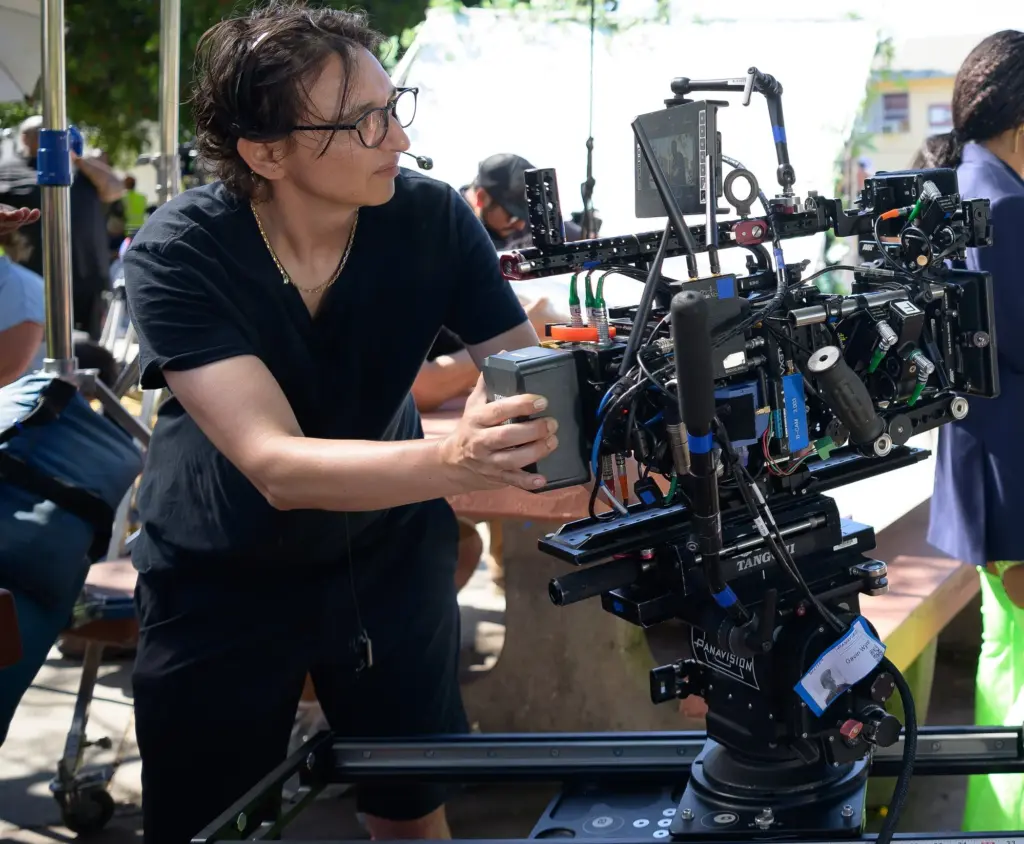
Silke Botsch (*1967, Berlin) is a Berlin-based editor and filmmaker whose work moves between narrative cinema, visual experimentation, and AI-based image production. She has collaborated on fiction, animation, and documentary films presented at festivals including Berlinale, Cannes, Sundance, Locarno, Karlovy Vary, and Annecy. Her editorial work is shaped by a strong interest in rhythm, perception, and the construction of subjective realities. She shares her AI expertise as a guest lecturer at Filmuniversität Babelsberg KONRAD WOLF and HFF Munich, and in workshops and talks, most recently at re:publica. Botsch explores AI not as an autonomous system, but as a means of expanding visual language and authorship, investigating inner states and transformation through prompt-based image creation. Her first feature-length AI-based film, Grace (2025/26), combines autobiographical elements with experimental documentary. Reflecting on addiction, perception, and change.

Sata Cissokho is the Head of the World Cinema Fund and EFM Toolbox programmes.From 2014 to 2025, she worked at the Paris-based sales company Paradise City Sales (formerly known as Memento International), first as festival manager and curator of the arthouse label ARTSCOPE, before becoming Head of Acquisitions and Coproductions. She previously worked at the New York-based independent distribution company Zeitgeist Films, and assisted the Tribeca Film Festival’s programming team. She also took part in several co-production platforms, working as Industry coordinator for Paris Project, Les Arcs Co-production Village and Paris Co-production Village. Sata Cissokho has served on numerous film commissions, selection committees and juries, including for the French CNC Aide aux Cinémas du Monde, the Marrakech Film Festival Atlas Workshops, Rotterdam’s CineMart, and the New Dawn fund. In addition, she has been a mentor, workshop leader and industry expert for many internationally renowned initiatives such as the Cannes’ Producers Network, Rotterdam Lab, EAVE or Creative Producer Indaba. She holds a BA in International Management from the University of Westminster, London, and a Masters degree in Cinema, TV and New Medias from La Sorbonne, Paris.

Nico Hofmann is one of Germany’s most significant film and television producers. In 2024, he established his own company, “Nico Hofmann Film”, which offers consulting and development services for productions. Before then, he worked for UFA, starting out as Managing Director of the UFA subsidiary teamWorx in 1998 before taking the helm at UFA Fiction and then becoming CEO of the entire UFA Group. Hofmann has received numerous German and international awards for his work. He produced several of Germany’s most successful films and series, including Generation War (Unsere Mütter, unsere Väter), Deutschland 83 and Charité, as well as the top-grossing German cinema production in 2018, All About Me (Der Junge muss an die frische Luft). In 1999, he teamed up with Bernd Eichinger to establish the FIRST STEPS awards for young filmmaking talents. Hofmann is also a professor at the Baden-Württemberg Film Academy and the director of the Nibelungenfestspiele theatre festival in Worms
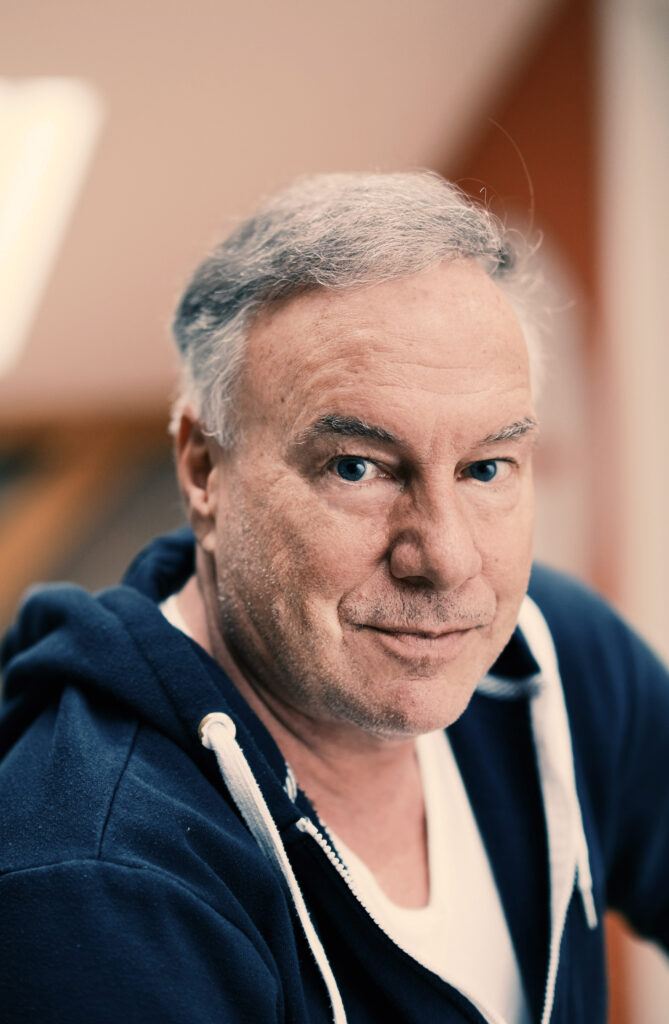
Déa Kulumbegashvili is a Georgian filmmaker, director, and screenwriter whose work has gained international critical acclaim. Her most recent feature, April (2024) premiered at the Venice Film Festival, where it was awarded the prestigious Special Jury Prize. The film then screened at major international festivals including Toronto, New York, San Sebastián, and London. April examines themes of sexuality and transgression through the story of a hospital obstetrician whose career is jeopardized when a stillbirth risks exposing her secret work as an abortion provider. Kulumbegashvili made her feature directorial debut with Beginning (2020) and premiered as part of the Cannes Official Selection, Special Edition. The film went on to screen at TIFF where it received the FIPRESCI Prize, and the San Sebastián International Film Festival where it won Best Film, Best Director, and Best Screenplay. Her earlier short films, Invisible Spaces and Léthé, were also presented at the Cannes Film Festival.
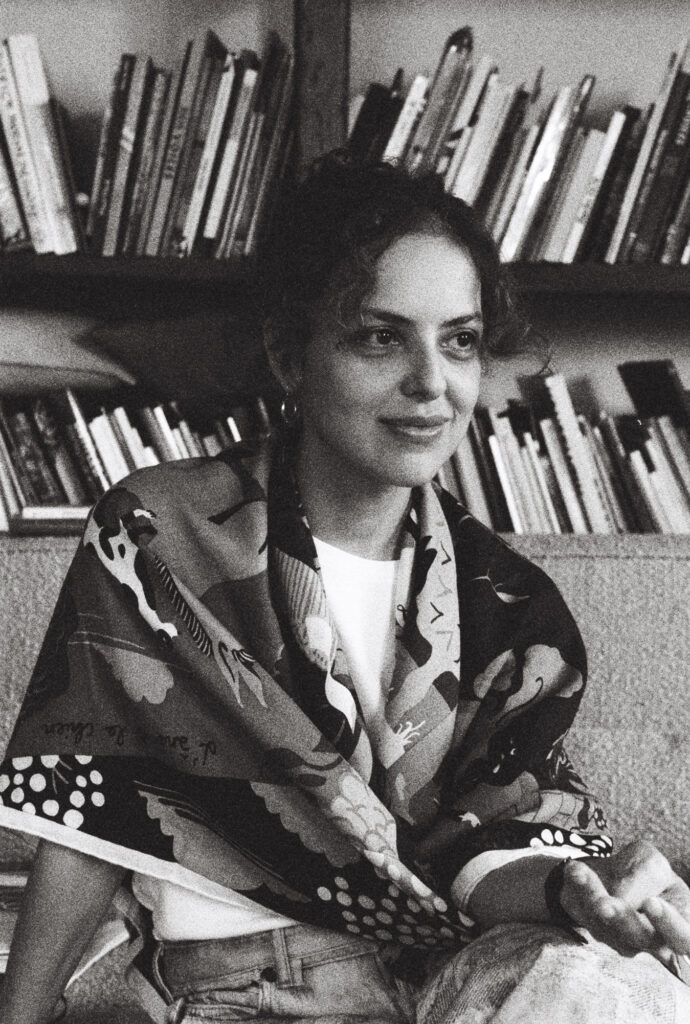
Nadav Lapid, is a film director and writer, born in Tel Aviv, moved to Paris. Golden Bear winner, Cannes Jury Award winner, Locarno Special Jury Prize winner. His feature films include Policeman (2011), The Kindergarten Teacher (2014), Synonyms (2019), Ahed’s Knee (2021), and Yes (2025). Lapid’s films won more than 100 international awards and were theatrically released all over the globe. They were selected by the press (New York Times, Variety, Cahiers du Cinema, Le Monde, IndieWire) among the best films of the year and of the decade. The French monograph analyzing his cinema, “Nadav Lapid — Description d’un combat” (“Nadav Lapid — Description of a Fight”) by French writer Morgane Pokée, was published in 2025. Numerous retrospectives of his works were being held (Toronto Cinematheque, Harvard University, Cambridge University, Moscow Cinematheque, Forum des Images etc.) He was a jury member in Berlin, Cannes Critics’ Week, Venice and Locarno. He published novels, worked as a sport journalist, security agent, wedding photographer and film critic.

Alina Matochkina, film director, scriptwriter, and editor, was born in 1988 in eastern Ukraine, in Starobilsk. In 2006 she moved to Kyiv.Her first graduation is “Finance”. 2017–2019 studied at the Kyiv University of Theater, Cinema, and Television of Karpenko-Kary, specialty “Director of a documentary film”. She worked in video production for the last 10 years. In 2018, she won the main prize for the best social advertising at the Molodiya Festival. In 2022 she finished her first full-length self-produced documentary “ADA”. Since 2022, she has been based in Berlin.
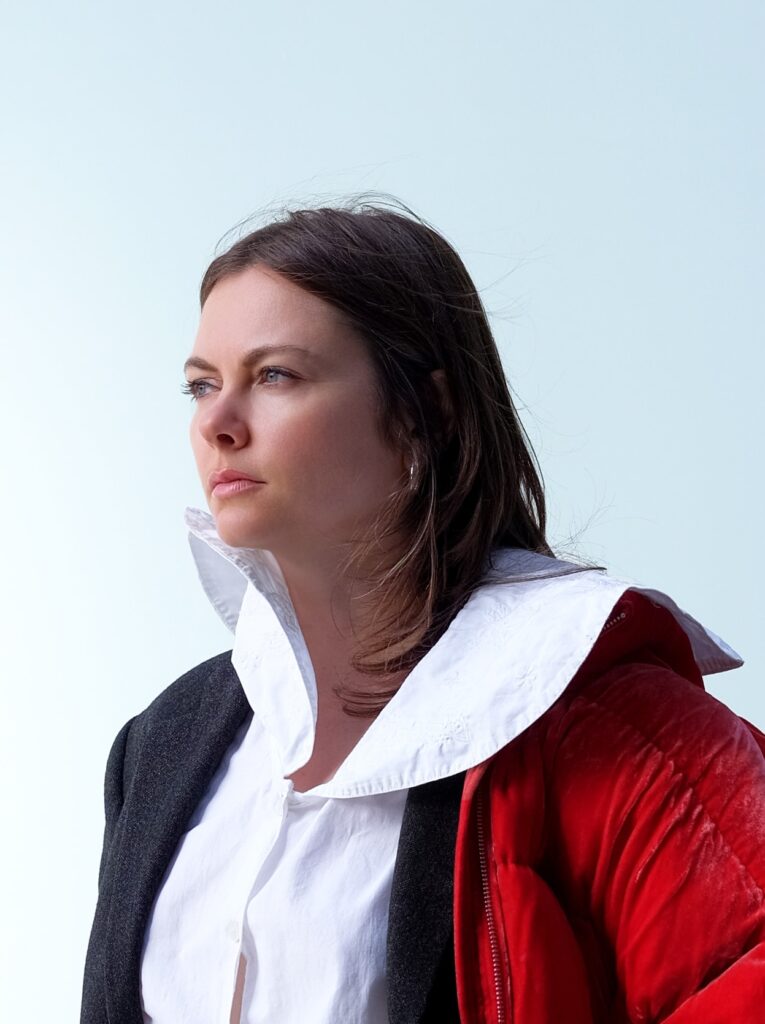
Mahnaz Mohammadi is an Iranian writer and filmmaker whose work moves between documentary and fiction. Her documentaries have been shown and awarded internationally. Her first fiction feature, Son-Mother (2019), premiered at the Toronto International Film Festival and went on to receive several international awards. Mohammadi’s filmmaking and women’s rights activism have also led to repeated arrests, a seven-year prison sentence, and a ten-year confiscation of her passport in Iran. These experiences are part of the conditions from which she has worked, but not the subject or definition of her cinema. Her latest feature, ROYA (2026), continues her exploration of perception, repression, memory, and the unstable boundary between inner and external reality. The film premiered in Berlinale Panorama and was subsequently released theatrically in Germany. Mohammadi has received international recognition for her commitment to freedom of expression, including the Freedom of Speech Award in Austria in 2015.
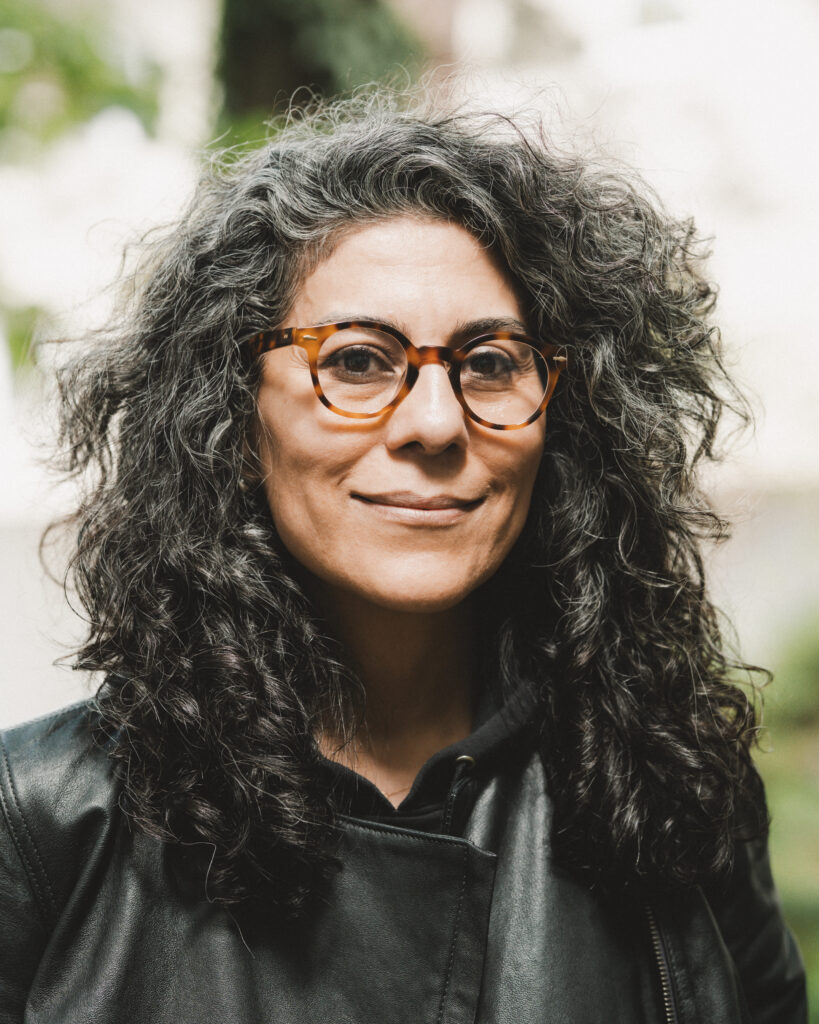
Jorgo Narjes is a German-Greek film producer. He studied Media and Cultural Studies in Weimar and Film Production at both the Tisch School of the Arts in New York and Goldsmiths, University of London. Narjes produced the anthology series Zeit Crime (Zeit Verbrechen), directed by Jan Bonny, Helene Hegemann, Mariko Minoguchi and Faraz Shariat, for the company X Filme. After celebrating its premiere at the Berlinale, the series went on to be nominated for the Grimme Award and won two German Television Awards. He also co-produced the film Franz (Franz K).by Agnieszka Holland, which screened at the Toronto International Film Festival and received three nominations for the European Film Awards. Narjes’ most recent work was the film Prosecution (Staatsschutz) by Faraz Shariat, which he produced together with Paulina Lorenz for the company Jünglinge Film and which won accolades such as the Panorama Audience Award at the Berlinale in 2026. In cooperation with Rosh Khodabakhsh, Narjes has also founded NewMotion, a job entry programme that aims to diversify the film industry. He completed the EAVE Producers Workshop in 2025 and he is a member of the European Film Academy.

Simone Pero is an Emmy-nominated impact producer, Founder of For Impact Productions, course creator of Artists for Impact™, University professor, and public speaker. Her work helps artists step into their power as agents of social transformation. Pero has produced narrative films including Lilly (2024), by Rachel Feldman (Netflix/ Blue Harbor Entertainment), as well as the award-winning feature The Tale by Jennifer Fox (HBO Films). She executive produced the Academy Award-nominated Viva Verdi! (2024) by Yvonne Russo and the award-winning documentary This Changes Everything directed by Tom Donahue. Pero consulted on the documentary series Vow Of Silence: The Assassination Of Annie Mae (2025) by Yvonne Russo (winner of the Humanitas Prize) and the documentary Steal This Story, Please! (2026) by Carl Deal and Tia Lessin. Pero teaches at Stony Brook University Killer Films MFA in Film & TV Writing program and serves on the President’s Council of New York Women in Film & Television. She is a member of the Producers Guild of America, BAFTA North America, Women Independent Producers, and the Global Impact Producers Alliance.
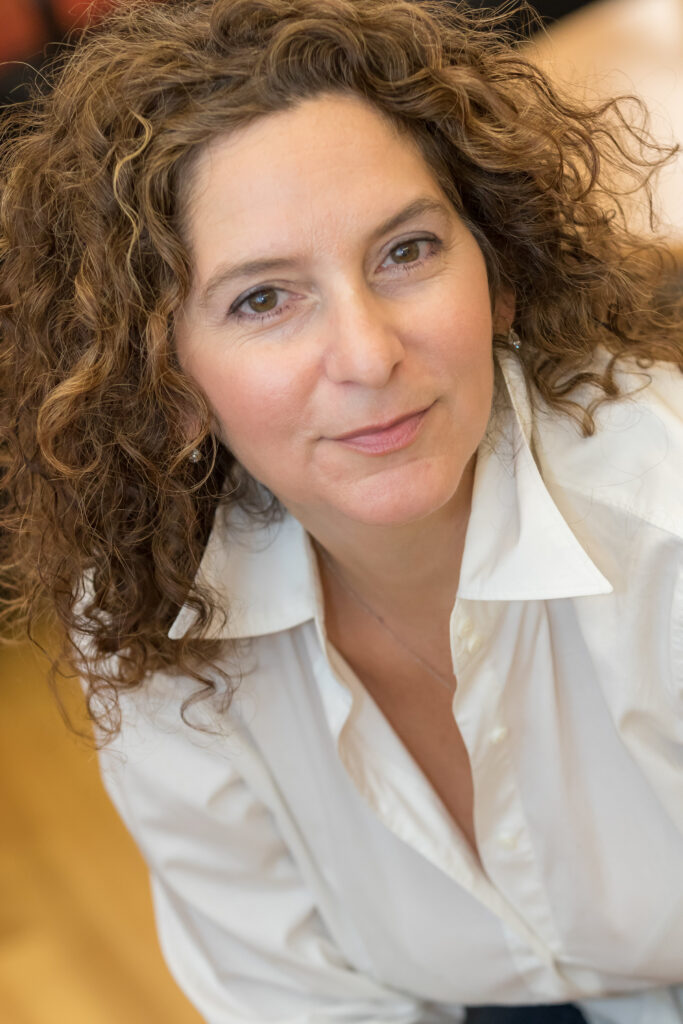
Julien Razafindranaly is Head of Sales at Films Boutique. After gaining initial experience in the fields of cinema exhibition, festival programming and production in France, he moved to Berlin in 2012 to join the Match Factory. There, he ultimately took on the position of Senior Sales Manager, in which he was responsible for the international distribution of more than 150 feature films. Since 2020, Razafindranaly has been the Head of Sales at Films Boutique, where he has played a central role in the release of over 80 films. Some of the stand-out productions he has worked on include Toni Erdmann, directed by Maren Ade; In the Fade (Aus dem Nichts), directed by Fatih Akin; Girl, directed by Lukas Dhont; Silent Friend, directed by Ildikó Enyedi; 45 Years, directed by Andrew Haigh; The Other Side of Hope, directed by Aki Kaurismäki); There is no Evil and The Seed of the Sacred Fig, directed by Mohammad Rasoulof); The Wonders and Happy as Lazzaro, directed by Alice Rohrwacher; and The Blue Caftan and Calle Málaga, directed by Maryam Touzani.
Razafindranaly is a member of both the European Film Academy and the French Academy of Cinema Arts and Techniques.
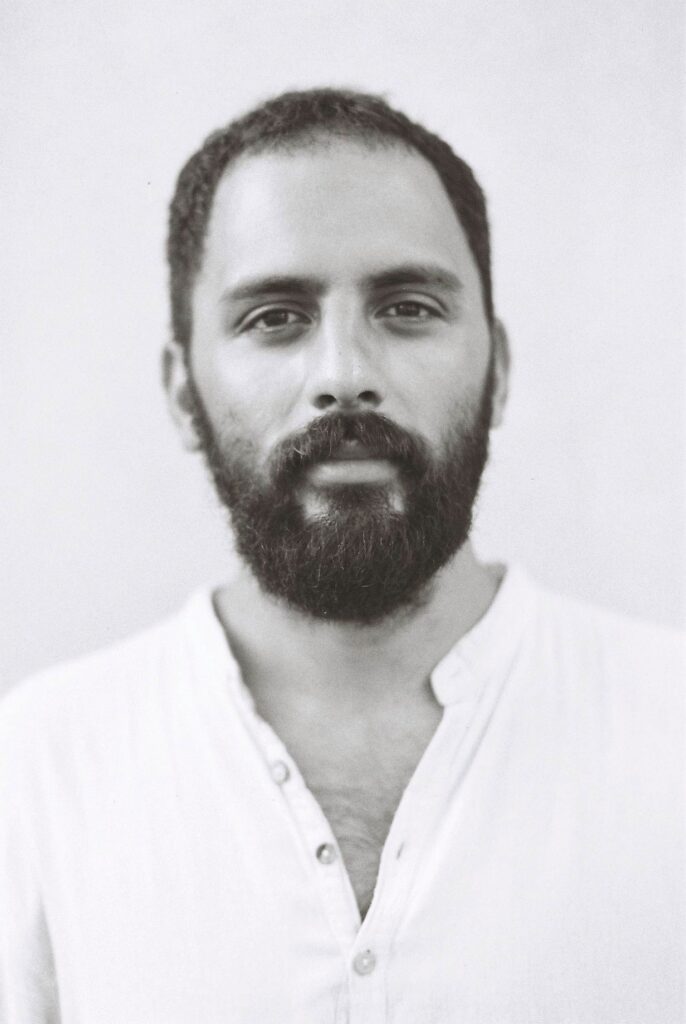
Isabella Rinaldi is a director and producer based in Italy. Her work has been supported by Chicken & Egg Films, Doha Film Institute, IDFA Bertha Fund, Swiss Federal Office of Culture, among others. She graduated from the DocNomads Master Course and is a Berlinale Talents alumna. In 2016 with Arya Rothe and Cristina Hanes, she founded NoCut Film Collective, a filmmaker-led collective across India, Romania and Italy. NoCut produces author-driven documentaries through transcultural and ethical filmmaking practices. The collective fosters a supportive environment where filmmakers can share responsibilities and creative decisions. Alongside producing its own films, NoCut supports emerging voices and explores alternative ways of working, placing participants and artistic freedom at the centre of the production process. Their first feature, A Rifle and a Bag (2020), co-directed and co-produced by Isabella Rinaldi, received the Jury Mention at the International Film Festival Rotterdam and was then screened at more than 50 festivals. Isabella is currently involved in several international co-productions with Italy, India and the US. Green Is the Fire’s Tint, the collective’s second feature documentary, is now in post-production.

João Pedro Rodrigues is an internationally acclaimed Portuguese filmmaker. He directed seven features: O Fantasma (2000), Odete (2005), To Die Like A Man (2009), The Last Time I Saw Macao (2012, co-director: João Rui Guerra da Mata), The Ornithologist (2016, Silver Leopard for Best Director — Locarno), Will‑O’-The-Wisp (2022) and Where Is This Street? or With No Before And After (2022 co-director: João Rui Guerra da Mata) and several short films. Rodrigues’ films were awarded at the most prestigious film festivals, including Cannes, Venice, Locarno, Toronto and Berlinale and are part of several film archives and museum’s permanent collections, like the Museum of Modern Art (MoMA), the Harvard Film Archive, the Portuguese Cinematheque, the Austrian Film Museum and the Swiss Cinematheque. In 2016, the Pompidou Centre in Paris honored him and Guerra da Mata with a complete retrospective and installation exhibition. In 2025, the Cinemateca Portuguesa dedicated the program “Guest Directors – Malamor/Tainted Love” to them. In 2016, he founded his own production company, Filmes Fantasma.
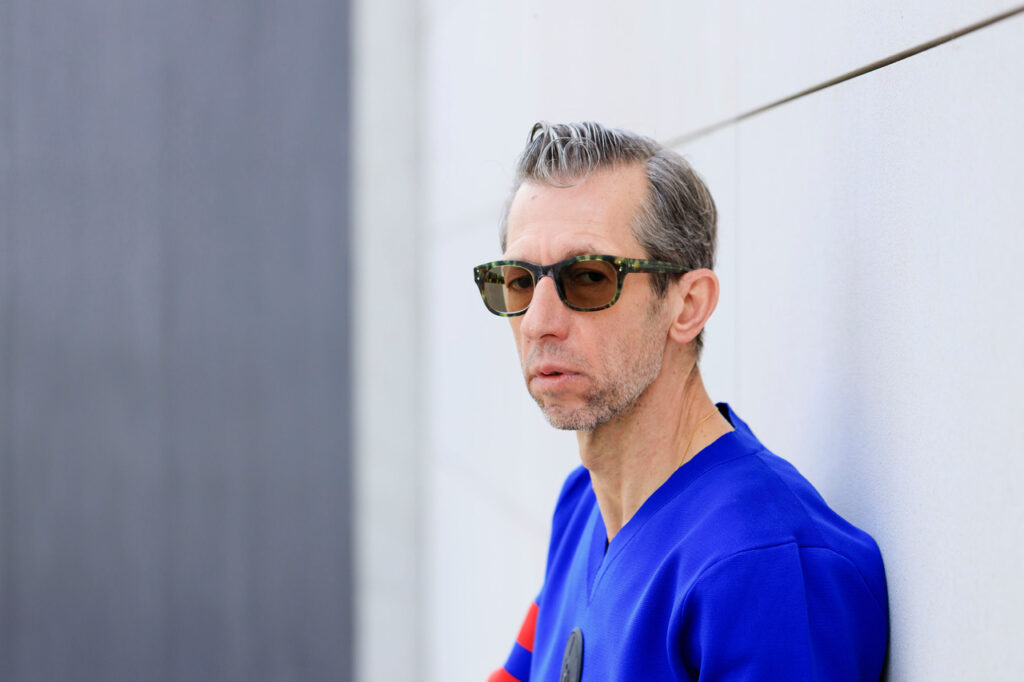
Taç Romey was born in the United States and has lived and worked in Turkey, the US, the Netherlands, and Germany. He studied acting, directing, and dramaturgy in the US and graduated from the renowned Brown University. He is a freelance writer, professor, producer, and Managing Director of Phantomfilm GmbH. A pioneer in AI-assisted screenwriting workshops, he currently advises writers, producers, agents, production companies, and television networks on the responsible use of AI. He also serves as a jury member for the Blauer Panther. Since 2016, Taç has been Professor of Series Storytelling at the University of Television and Film Munich (HFF München). His projects have received numerous nominations and awards, including the International Emmy Award, Golden Magnolia, Rose d’Or, and German Television Award.

Lone Scherfig is one of the most sought-after directors working today. Her broad career has included Denmark’s fifth official “Dogme” film, Italian For Beginners, which established her global reputation. At the Berlin International Film Festival, it won the Silver Bear Jury Prize, the FIPRESCI International Critics Award, and the Ecumenical Prize. Lone’s first English-language feature, Wilbur Wants To Kill Himself received multiple honors, including Best Screenplay at the U.S. Comedy Arts Festival. Scherfig directed the Oscar-nominated An Education, starring Carey Mulligan and Peter Sarsgaard followed by One Day starring Anne Hathaway and The Riot Club based on the play written by Laura Wade and starring Sam Claflin and Natalie Dormer. Lone’s television work includes ABC’s Astronaut Wives Club and the Danish drama series The Shift. Recent films include Their Finest, The Kindness Of Strangers, which had its world premiere at the 2019 Berlin Film Festival, and The Movie Teller, which premiered at Toronto International Film Festival and starred Bérénice Bejo and Daniel Brühl.

Kazuhiro Soda was born in Japan in 1970. He practices observational documentary filmmaking method which does not use pre-shoot research, scripts, narration, or background music, based on his own “Ten Commandments”. These are imposed in order to minimize preconceptions and to be able to make unexpected discoveries while filming and editing. His works include Campaign (Senkyo, 2007), Mental (Seishin, 2008), Inland Sea (Minatomachi, 2018), Zero (Seishin 0, 2020), and The Cats of Gokogu Shrine (Gokogu no Neko, 2024) which all premiered at Berlinale Forum, as well as Peace (2010), Theatre 1 (Engeki 1, 2012), Theatre 2 (Engeki 2, 2012), Oyster Factory (Kaki Kouba, 2015), and The Big House (2018. Retrospectives of his works have been held in France, USA, Croatia, Poland, South Korea, Canada, Italy, Belgium, China, and Taiwan. He is also the author of 10 books published in Japan. His book “Why I Make Documentaries” has been translated into English, Chinese, and Korean. Kazuhiro Soda taught at the University of Michigan as a visiting professor and is the recipient of a Peabody Award and the Marek Nowicki lifetime achievement award by the Helsinki Foundation for Human Rights.

Isa Willinger is an author and director. She studied documentary film directing at the HFF Munich and North American Studies, Slavic Studies, and Sociology in Berlin, Moscow, Prague, and New York. Her feature debut Hi, AI: Love Stories from the Future (2019) was nominated for the German Film Award and received numerous awards including Max Ophüls Award for best documentary and the SI STAR Film Award for outstanding female directors. Willinger’s second documentary feature Plastic Fantastic (2024) received the German Documentary Film Award, the German Marine Film Award, and several international awards like Best Feature Green Film at the Green Film Network Awards. Her recent film No Mercy (2025) has been screened at numerous international film festivals like Viennale, DOC NYC, and Thessaloniki Film Festival and had its cinematic release in Germany and Austria this year. Willinger is the author of a monograph on the work of Ukrainian director Kira Muratova, “Kira Muratova Kino und Subversion”, published in 2013. In 2026, she was the ambassador for the campaign „Face to Face with German Films” by German Films.

John Yorke is Managing Director of Angel Station and John Yorke Story, where he works as a drama producer, consultant and lecturer on all forms of storytelling. Former Managing Director of Company Pictures where he produced the TV series Wolf Hall. Has worked as Head of Channel Four Drama and Controller of BBC Drama Production. As a commissioning Editor/Executive Producer, he championed huge British hits such as Life on Mars, The Street, Shameless and Bodies and in 2005 he created the BBC Writers Academy, a year-long in-depth training scheme which has produced a generation of successful television writers. Recent training projects have been for Sony Animation in LA, and for Netflix worldwide, his most recent TV production is The Witness for Netflix. He is the author of “Into The Woods” (which has now sold over 250,000 copies), and the recently released “Trip To The Moon”. Yorke is a double BAFTA winner (as program maker) and multi-BAFTA winner (as commissioner). He presents his own weekly radio show Opening Lines about classic novels on BBC R4, and for many years was Visiting Professor of English Language and Literature at the University of Newcastle-upon Tyne. He lives in London.